Stone Veneer Siding & Installation
Transform your home's exterior with the timeless beauty and durability of natural and manufactured stone veneer.
Why Choose Stone Veneer for Your Home
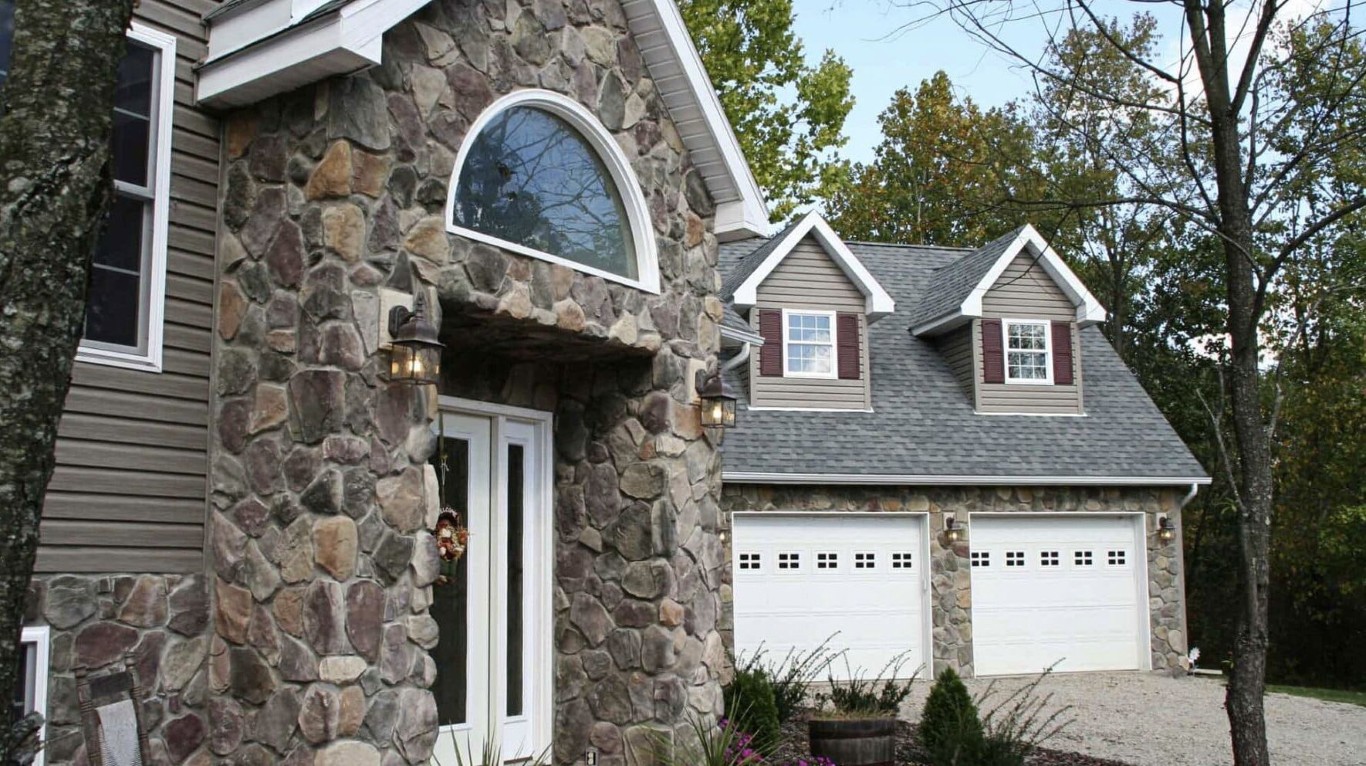
Stone veneer gives you the stunning look of natural stone without the weight, cost, or structural requirements of full-thickness masonry. It transforms ordinary homes into architectural showpieces. Whether you want to cover your entire exterior or create accent features, stone veneer delivers dramatic results.
The beauty of stone veneer comes from its versatility. You can achieve any style from rustic mountain lodge to sleek contemporary. Natural stone veneer uses real stone cut thin and backed with metal lath. Manufactured stone veneer uses Portland cement molded and colored to mimic natural stone. Both options look authentic and provide excellent durability.
Stone veneer outperforms many other siding materials. It does not rot like wood. It does not dent like vinyl. It does not crack like stucco. It withstands Florida's intense sun, heavy rain, and high winds. It never needs painting. It adds insulation value to your walls. And it significantly increases your home's resale value.
Installation flexibility makes stone veneer practical for almost any home. We can apply it over wood framing, concrete block, or existing siding in many cases. We can cover full walls or create accents around entries, columns, or chimneys. We can combine different stone styles and colors for custom designs. Our Palm Bay masonry contractors bring decades of experience to every stone veneer project.
Natural vs. Manufactured Stone Veneer
Both natural and manufactured stone veneer have their place. Your choice depends on budget, desired appearance, and specific application. Let's walk you through the differences so you can make an informed decision.
Natural stone veneer starts as quarried stone cut into thin pieces, typically 1 to 2 inches thick. Each piece is unique with natural color variations and textures. Common types include fieldstone, limestone, sandstone, and slate. Natural stone weighs more and costs more than manufactured, but it offers unmatched authenticity and longevity that can last centuries.
Key Differences to Consider
- •Cost: Manufactured stone typically costs 25% to 50% less than natural stone veneer
- •Weight: Manufactured stone weighs about half as much, making installation easier and faster
- •Consistency: Manufactured stone offers more uniform sizing and color matching
- •Variety: Manufactured stone comes in more styles and colors than natural stone
- •Authenticity: Natural stone has genuine character that cannot be perfectly replicated
Manufactured stone veneer uses high-quality concrete, aggregates, and iron oxide pigments. Modern manufacturing produces remarkably realistic textures and colors. Premium brands like Cultured Stone and Eldorado Stone create products that fool even experienced masons from a distance. They offer warranties up to 50 years.
We work with both materials regularly and help you choose based on your specific goals. For historic restoration or ultra-high-end applications, natural stone might be worth the investment. For most residential projects, quality manufactured stone delivers beautiful results at a better value. Our brick and stone restoration expertise ensures proper installation regardless of material chosen.
Professional Installation That Lasts
Proper stone veneer installation makes all the difference between stone veneer that lasts for decades and veneer that fails within years. We follow manufacturer specifications and industry best practices on every job. Shortcuts might save time initially, but they lead to expensive repairs later.
We start by preparing the substrate. For wood-framed walls, we install a weather-resistant barrier over the sheathing. Then we attach metal lath that gives the mortar something to grip. For concrete or block walls, we may apply lath directly or bond stone with modified mortar. The substrate must be clean, dry, and structurally sound.
Next comes the scratch coat, a base layer of mortar applied over the lath. We score this layer while it's still wet to create texture for the final bond coat. This step is crucial. It creates the mechanical bond that holds everything together. We let the scratch coat cure for the proper time before proceeding.
Then we plan the layout. We spread stones on the ground and arrange them for pleasing color distribution and pattern. We mix different sizes and shapes to create natural-looking coursing. For stacked stone, we stagger vertical joints. For ledgestone, we maintain consistent horizontal lines. This planning phase prevents mistakes and ensures beautiful results.
Installation begins at the bottom and works upward. We apply mortar to the back of each stone and press it firmly into place. We maintain consistent joint spacing, typically 0.5 to 1 inch depending on style. We use temporary spacers when needed to prevent stones from sliding. We clean excess mortar before it hardens.
Finally, we tool the joints. Some applications call for flush joints where mortar sits even with the stone face. Others need raked joints where mortar recesses behind the stone surface. We follow the design plan and ensure consistent depth throughout. We apply sealer if appropriate for the specific product. Our attention to detail matches what we bring to custom patio and walkway projects.
Frequently Asked Questions
Ready to Transform Your Home's Exterior?
Contact PB Palm Bay Masonry today for a free consultation and estimate.
(321) 326-1271